Choosing the right manufacturing partner can feel overwhelming. You’re not just searching for a supplier—you’re looking for a trustworthy partner to help bring your vision to life. Whether you need intricate parts, full assemblies, or scalable production solutions, the wrong choice could lead to missed deadlines, quality issues, or ballooning costs. How do you make the best decision?
Focusing on the following critical factors ensures that your next manufacturing partnership delivers top quality and value.
Different Types of Partners
product to life is essential. Manufacturers generally fall into three categories:
- Full-Service Partners: These partners handle everything from design and prototyping to production, assembly, and quality control. They are ideal if you’re looking for a one-stop-shop solution that manages every step of the manufacturing process.
- Parts Makers: These manufacturers produce specific components based on your design specifications. They’re a good choice when you only need individual parts for more extensive assembly elsewhere.
- Assembly Support: Some manufacturers focus on assembling parts into finished products. They may work with components provided by multiple suppliers and ensure that everything fits together perfectly.
Your choice depends on your project needs. A full-service partner might be best if you’re building fully integrated systems. If you’re managing different vendors, parts makers or assembly specialists may suit your needs better.
How to Understand Your Own Needs
Before evaluating potential manufacturing partners, you should clearly understand what your project requires.
What Components Do You Need?
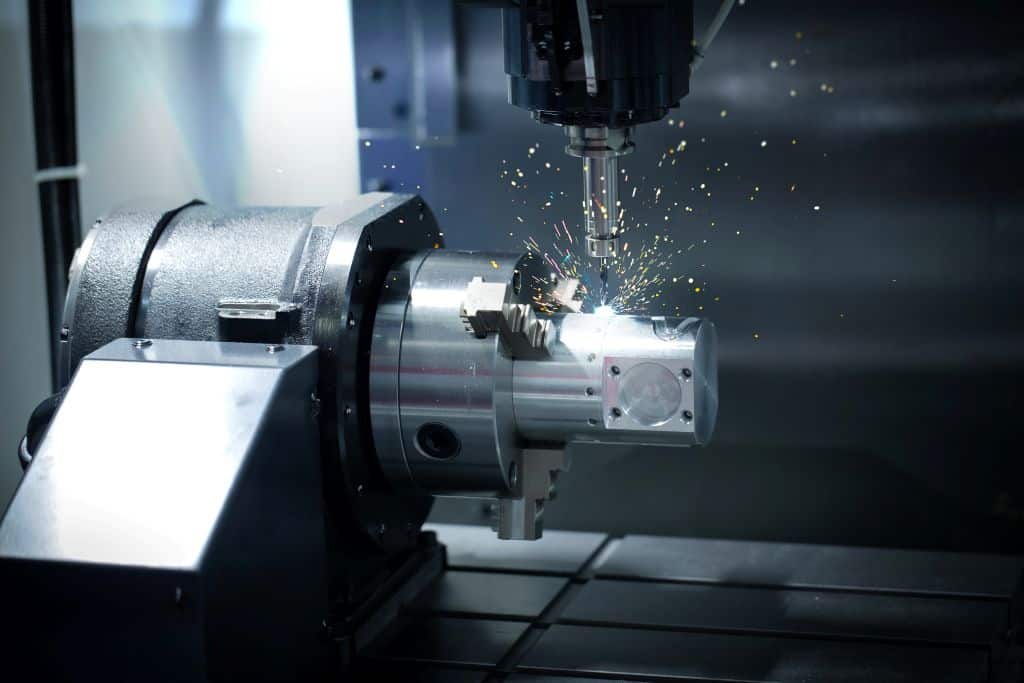
Are you looking for simple parts like brackets and connectors or more complex assemblies like engine components or medical devices? Different manufacturers excel at specific types of parts, from basic fasteners to precision parts with tight tolerances. Knowing the complexity and function of your parts helps you find a partner with the right expertise, whether in machining, turning, or welding.
What Is the Size and Scope of the Project?
Consider whether you’re looking for low-volume prototyping or high-volume production, whether your components are small and intricate or large and heavy, and if you need just fabrication or complete assembly services. For larger complex assemblies, you’ll want a partner experienced in both part fabrication and assembly. Understanding these factors up front helps avoid miscommunications and ensures the manufacturer can scale production to meet your business demands.
What Materials Will Be Used?
Not all manufacturers handle every material. Determine whether your product requires metals like aluminum, stainless steel, and titanium or non-metals like plastics and fiberglass. Each material demands specific fabrication techniques and equipment, such as CNC machining or laser cutting. If you’re uncertain about the best materials for your project, consider a full-service partner who can guide you in selecting materials based on performance and cost considerations.
What Tolerances and Specifications Are Required?
Precision is vital in industries like aerospace, medical, and defense. Defining your product’s tolerance levels and technical specifications from the start is important. Is your product safety-critical? Does it require tight tolerances? Clear answers to these questions ensure manufacturers can meet your precision needs.
Types of Manufacturing Partners
Manufacturing partners come in various forms, each offering different service levels depending on your needs. Here are the main types:
- OEM (Original Equipment Manufacturer): OEMs produce parts or components based on your designs. They provide production capabilities but generally do not assist with design or development.
- ODM (Original Design Manufacturer): ODMs go a step further by providing both design and production services. This allows for greater customization and accountability as they manage the entire process from concept to finished product.
- Contract Manufacturers (CM): These partners specialize in producing goods for other companies according to specific contracts. They can handle large-scale production but usually require detailed specifications upfront.
Choosing the right type of partner depends on whether you need design support, full customization, or simply a reliable company to handle production.
How to Assess Potential Partners
Finding the right manufacturing partner takes more than just reviewing a price sheet. You need to evaluate several key factors to ensure reliability, quality, and long-term success.
1. Capabilities and Expertise
Start by understanding whether the manufacturer has experience in your industry and with the materials or processes that your project demands. Do they specialize in machining, assembly, or something more specific like precision welding? Familiarize yourself with their portfolio, and if possible, request case studies or references for similar projects. A partner with broad capabilities across various industries—such as aerospace, automotive, medical, or automation—offers the experience and versatility needed for complex manufacturing.
2. Quality Control
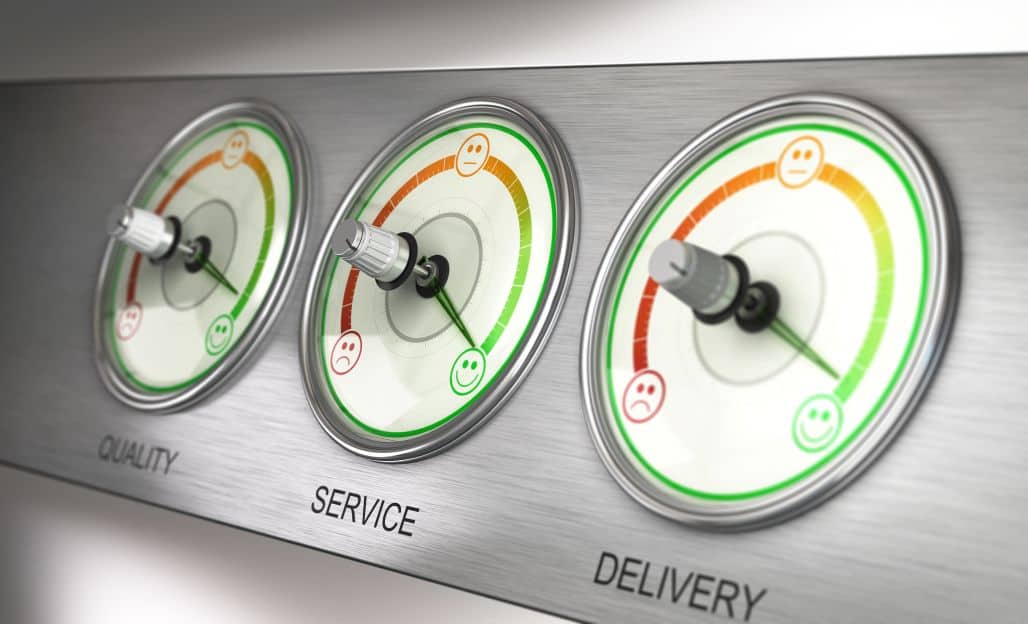
Quality is paramount in manufacturing. Ask about their quality control practices. Are they certified in industry standards like AS9100D or ISO 9001? These certifications signify strict adherence to quality management systems. Investigate whether they have thorough testing procedures and how they handle defects, non-conformities, and recalls if they arise. A strong focus on quality reduces risks and ensures the final product meets your specifications.
3. Communication
Effective communication creates a successful partnership. How responsive is the manufacturer when you need quotes, updates, or adjustments? Do they offer consistent and clear communication throughout the project lifecycle? You’ll want a partner who provides timely updates on production status and discusses issues early to prevent delays. A partner who understands your industry can provide valuable feedback that helps optimize the design and production process.
4. Cost
Short-term savings don’t always result in long-term value. When evaluating cost, consider all factors beyond just the unit price. Look at tooling, labor costs, packaging, shipping fees, and potential tariffs depending on your location. Clarify what’s included in their quote so you’re not surprised by hidden costs down the road. While keeping within budget is important, investing in a reliable manufacturer who consistently produces quality work can save significant expenses.
5. Scalability
Your business needs may expand over time—or shift based on market demand. Can this manufacturer scale their production up or down as needed? Ask whether they have the resources, technology, and systems to meet sudden changes in volume without sacrificing quality or speed. Scalability is critical if you’re forecasting high growth or seasonal changes in your production requirements.
6. Flexibility
Manufacturing projects rarely go exactly as planned. You may need to revise designs or materials during production due to new regulations or market challenges. The right manufacturing partner should be flexible enough to adapt to these changes. Assess their willingness to collaborate on new solutions if adjustments are needed mid-project.
7. Delivery Times
Late deliveries can throw off your entire supply chain and cause lasting effects on customer satisfaction. Evaluate whether the manufacturer has a solid track record of delivering on time and contingency plans for unexpected situations like machinery breakdowns or supply disruptions. Reliable delivery keeps your operations running smoothly and ensures that you meet market deadlines without added stress.
By considering these factors when evaluating potential partners, you’ll be well-equipped to forge a reliable, efficient relationship with a manufacturer who meets your expectations for both price and performance.
A Full-Service Partner
At Armes Precision, we understand how critical choosing the right manufacturing partner is. As a full-service partner, we handle everything from design and precision machining to final assembly. Our experienced team ensures every detail is met with care from start to finish. Send an RFQ (request for a quote) today to get started.