Utilities are the backbone of modern society. From the electricity that powers our homes to the water we drink, these services sustain our way of life. However, delivering them isn’t simple. The utilities industry faces stringent demands and challenges. Without precision-fabricated components, the utilities industry would struggle to provide these essential services safely and efficiently.
.
What Is the Utilities Industry?
The utilities industry encompasses services fundamental to daily life. It includes power, gas, and water. Each sector has unique requirements and faces distinct challenges.
Energy
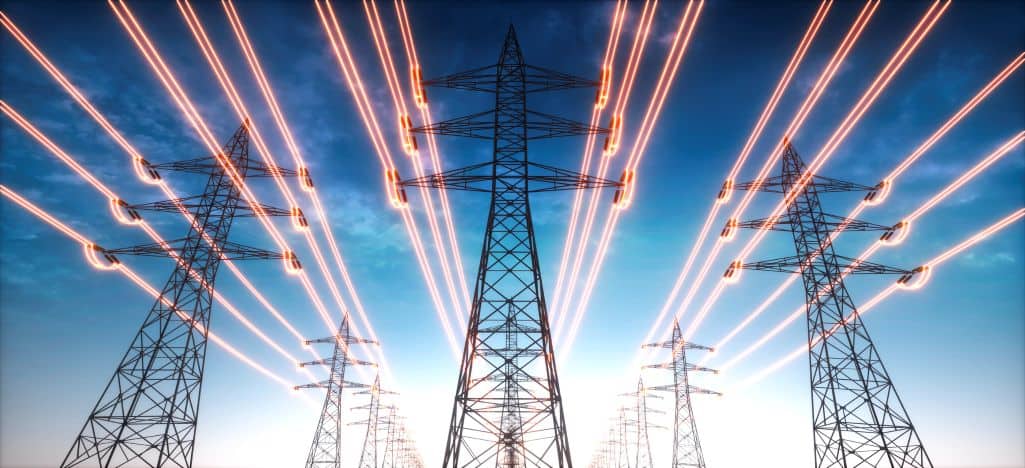
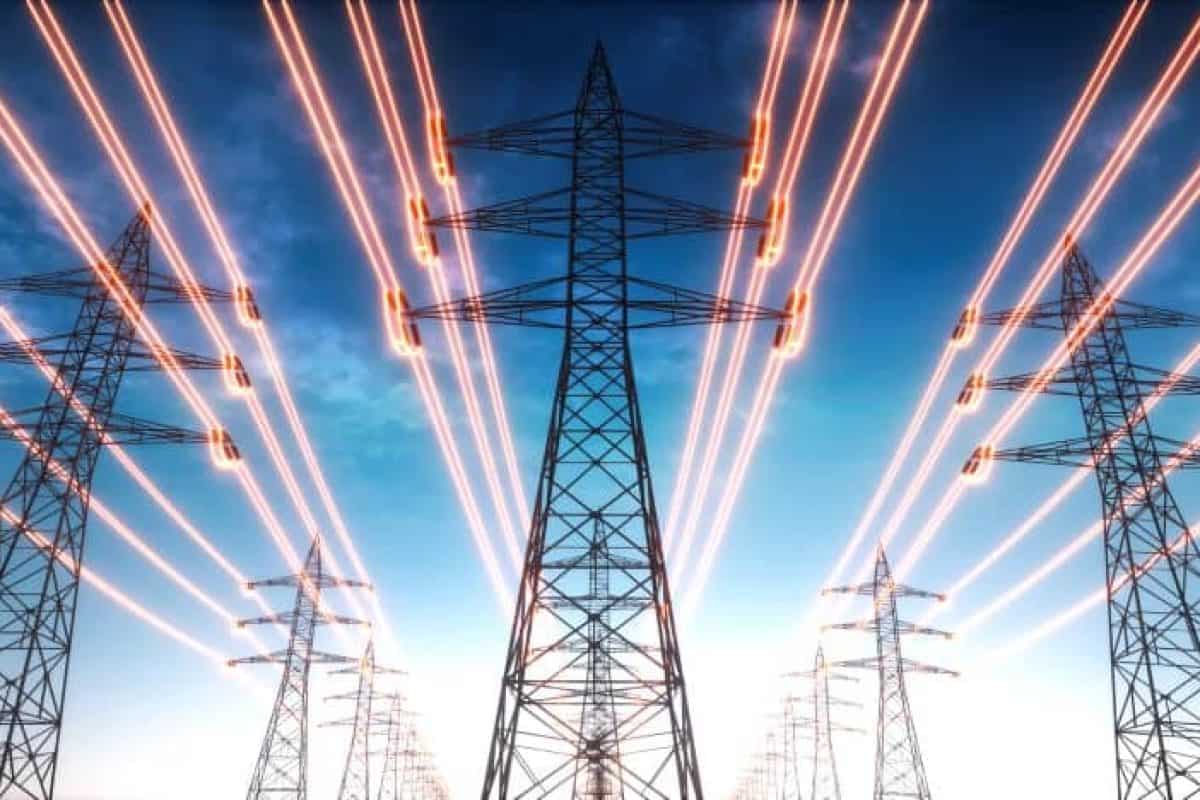
Energy utilities require highly specialized infrastructure to ensure the reliable generation and distribution of electricity. Power plants, whether coal, nuclear, or renewable-based, depend on custom-fabricated components that can withstand extreme conditions like heat and pressure. Transmission lines stretch for thousands of miles, demanding durable materials that can endure environmental stressors such as wind, snow, and corrosion. It’s not just about moving power – it’s about creating infrastructure that protects against failure, minimizes downtime, and adapts seamlessly to growing demand.
Gas
Gas utilities face the challenge of transporting highly flammable material across vast distances with zero tolerance for failure. Pipelines are subjected to extreme pressures and environmental conditions, requiring precision-fabricated parts that can withstand corrosion, temperature fluctuations, and mechanical stress. Storage facilities and compressor stations need custom-built components that ensure safe gas containment and pressure regulation. Every weld, every valve, and every joint must be meticulously designed and crafted to minimize the risk of leaks or ruptures, ensuring safety and operational consistency across the entire system.
Water
Water utilities face complex demands that go beyond basic distribution. From managing immense pressure in pipelines to handling corrosive chemicals during water treatment, every component must be built to withstand continuous exposure to harsh conditions. Precision fabrication is crucial for producing the custom parts used in reservoirs, filtration systems, and high-capacity pumps that move treated water through large-scale distribution networks. Equally important is wastewater infrastructure, where fabricated steel and specialized alloys are necessary to handle the abrasive and corrosive nature of sewage processing.
Why the Utilities Sector Has Special Needs
Utilities operate in environments where failure isn’t an option. Several factors contribute to their unique requirements.
Lifecycle Demands
Utility infrastructure is expected to last for decades. Components must withstand long-term use without significant degradation. Durability is essential.
A power transformer might have a lifespan of 40 years. Pipelines are expected to last even longer. Replacing infrastructure is costly and disruptive. Initial construction must be of the highest quality to avoid future issues.
Environmental Stresses
Equipment and structures face harsh conditions. They may be exposed to extreme temperatures, pressure variations, and corrosive substances. Materials used must resist these stresses.
Pipelines may run through arctic tundra or desert heat. Water treatment equipment handles chemicals that can corrode metals. Electrical components must withstand weather and electrical loads. Selecting the suitable materials and fabrication methods is critical to the durability of these essential systems.
Scalability
Utilities must serve growing populations and expanding industries. Systems must be scalable, allowing for upgrades and expansions without significant overhauls.
A city’s water demand may increase as the population grows. Energy consumption fluctuates with economic activity. Utilities need infrastructure that can be expanded or modified. Fabrication techniques enable the creation of modular components that fit into existing systems.
Safety Regulations
Strict regulations govern utilities to protect the public and the environment. Compliance is mandatory. Components must meet high standards.
Regulatory bodies set guidelines for construction, operation, and maintenance. Non-compliance can lead to fines or shutdowns. Fabrication must adhere to these standards, ensuring all components meet legal and safety requirements.
Technological Advancements
Utilities are adopting new technologies to improve efficiency and sustainability. Integrating renewable energy sources, smart grids, and advanced monitoring systems requires updated infrastructure.
Fabrication shops must be adaptable, able to produce components that align with the latest innovations. This flexibility supports utilities in modernizing their services.
How Fabrication Plays a Part
Fabrication is the process of constructing products by cutting, shaping, and assembling materials. In the utilities sector, fabrication is crucial, as utilities often require components tailored to specific applications.
Custom Solutions
Fabrication allows for custom designs that meet exact specifications. For instance, a unique valve may be needed to regulate flow in a specific part of the pipeline. Custom-fabricated parts ensure systems operate efficiently and safely.
Material Selection
Fabrication shops can work with a variety of metals, including steel, stainless steel, aluminum, and specialized alloys. This versatility ensures components perform as needed.
Different parts of a utility system may require different materials. Stainless steel resists corrosion, making it suitable for water treatment. Aluminum is lightweight and ideal for certain electrical applications. Fabrication experts guide material selection to match the application.
Precision Manufacturing
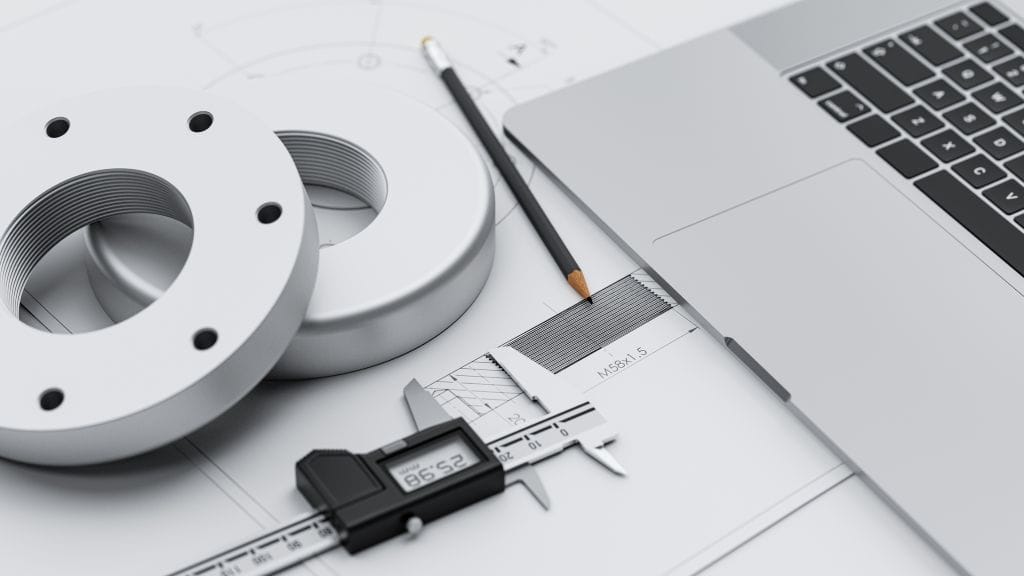
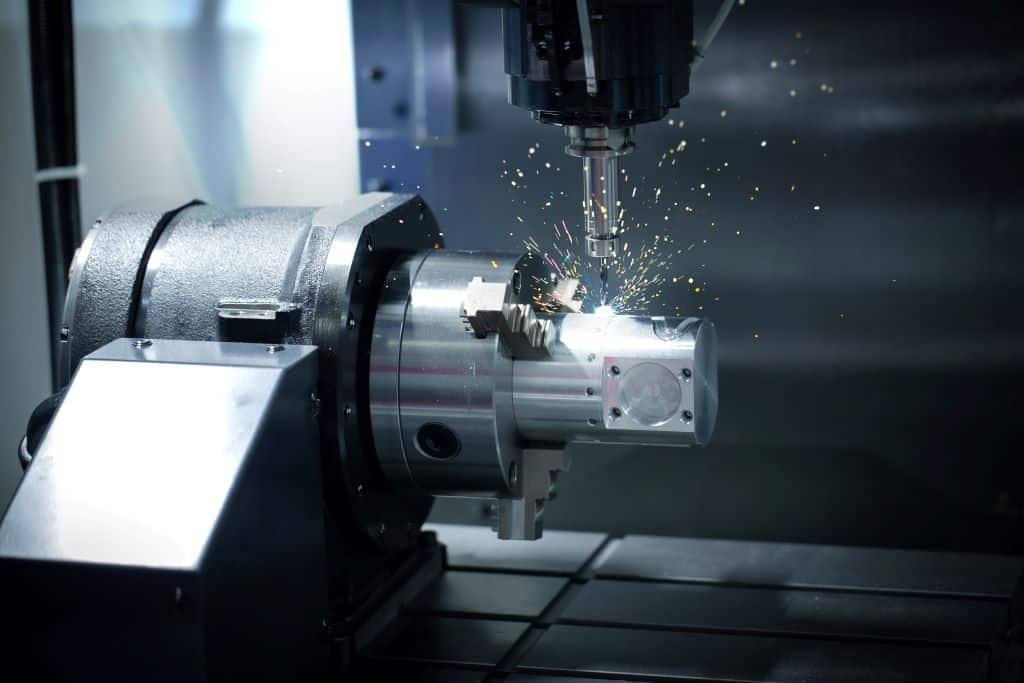
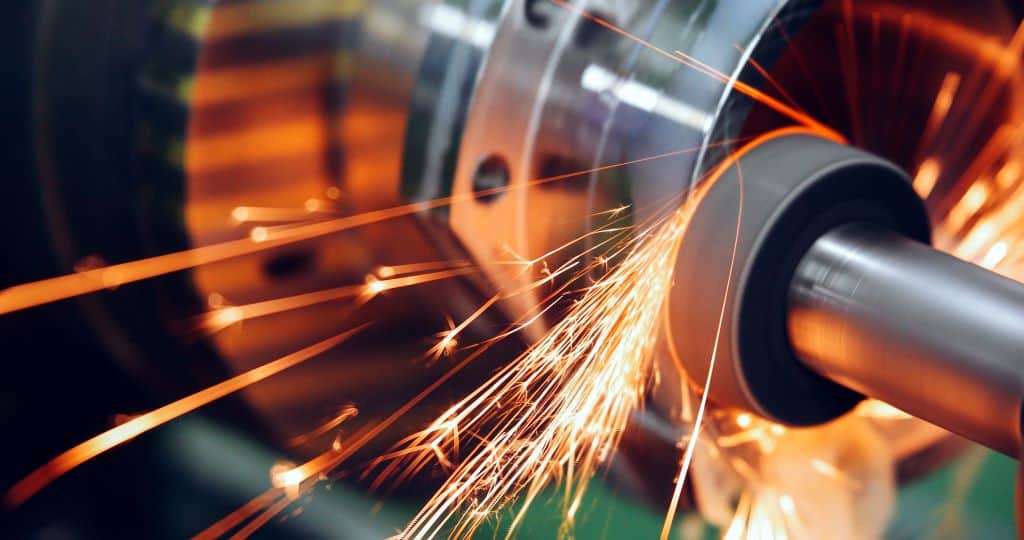
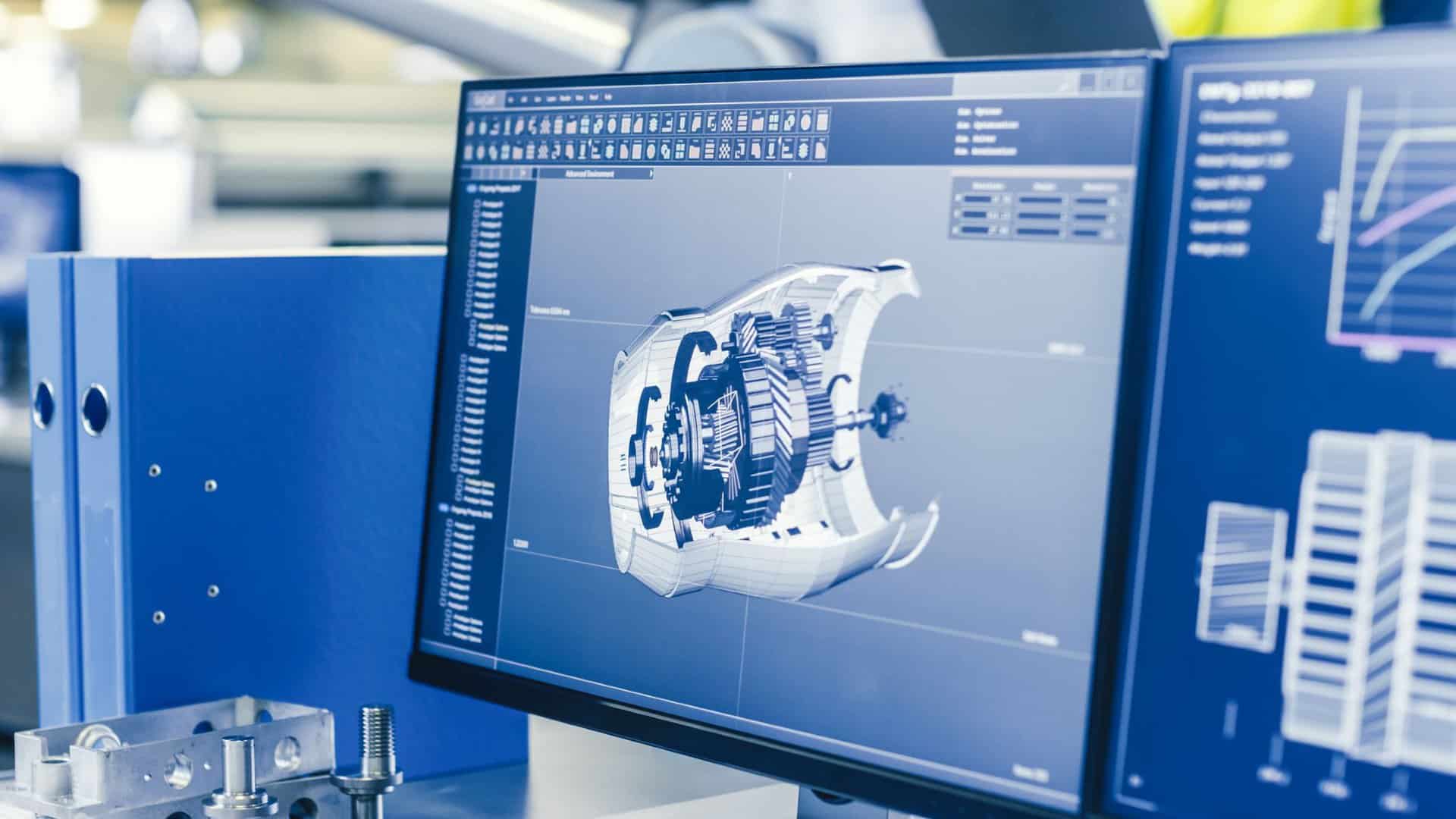
Utilities demand high precision. Fabrication techniques like CNC machining and laser cutting provide the accuracy required. Components fit together seamlessly, reducing the risk of failure.
Precision reduces wear and tear. It enhances performance and extends the lifespan of equipment. Fabrication shops equipped with advanced machinery can achieve the tight tolerances needed.
Welding Expertise
Skilled welders ensure strong, reliable joints. Quality welding contributes to the overall integrity of systems. In pipelines, welds must withstand pressure and prevent leaks. In electrical systems, proper welding prevents faults. Experienced welders follow strict procedures to maintain quality.
Cost Efficiency
Fabrication can optimize production processes, reducing waste and lowering costs. Efficient fabrication helps utilities stay within budget while maintaining quality.
Modern fabrication methods use materials effectively. This reduces scrap and saves money. Efficient production schedules keep projects on time.
Supporting Innovation
As utilities embrace new technologies, fabrication supports this innovation. Whether it’s components for renewable energy systems or parts for smart grid technologies, fabrication shops provide the necessary infrastructure.
For example, wind turbines require specialized components. Fabrication shops can produce these parts, enabling utilities to expand into renewable energy.
Maintenance and Repair
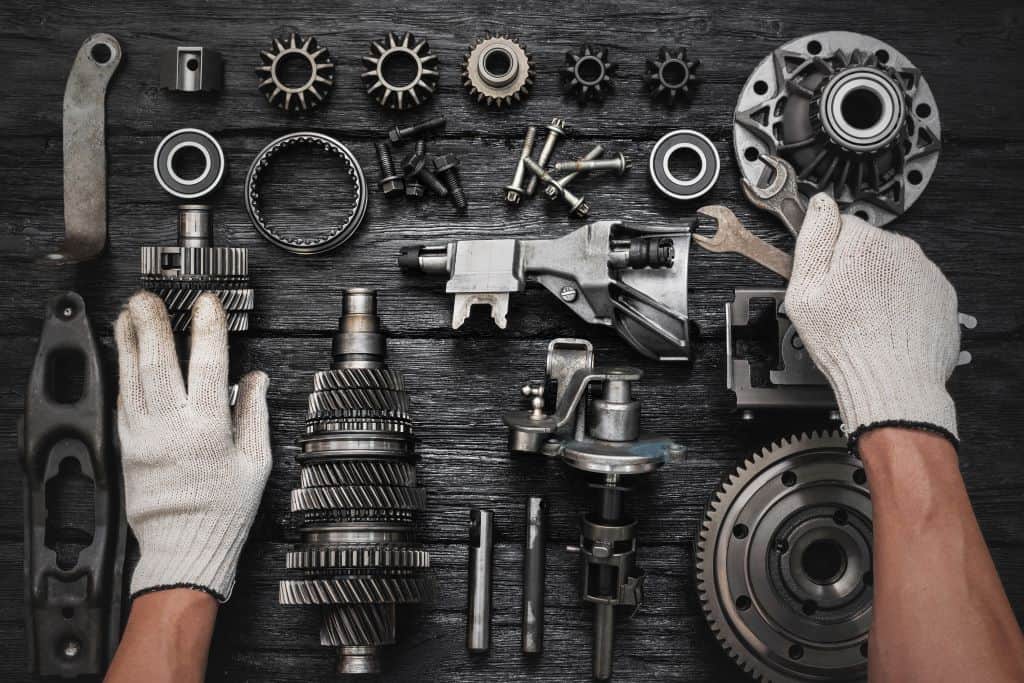
Fabrication isn’t just about new construction. It also plays a role in maintaining and repairing existing infrastructure. Custom parts may be needed to replace worn or damaged components.
Quick turnaround on fabricated parts minimizes downtime. This keeps utilities operating smoothly, providing uninterrupted services.
Compliance and Certification
Fabrication shops familiar with industry regulations ensure components meet all necessary standards. This compliance is essential for utilities to operate legally and safely.
Certifications demonstrate a commitment to quality. Working with certified fabrication shops gives utilities confidence in the products they receive.
At Armes Precision, we offer a range of fabrication services tailored to the utility sector. With 30 years of experience, our team specializes in CNC milling, turning centers, laser cutting, metal forming, precision welding, and complex assembly. We work with materials like aluminum, steel, titanium, and specialized alloys.
Our focus is on delivering high-quality, precise components that meet the unique needs of utilities. We hold ISO 9001:2015 and AS9100D certifications, demonstrating our commitment to rigorous quality standards and reliability in manufacturing. Whether it’s custom fabrication for a new project or manufacturing replacement parts, we’re equipped to handle the task.
Building the Future With Precision Fabrication
The fabrication industry has become indispensable to utilities. Fabrication helps utilities meet their unique challenges by providing custom, high-quality components. As demand grows and technologies evolve, the partnership between utilities and fabrication specialists will only strengthen.
Working with experienced fabrication partners allows utilities to focus on their core mission—delivering essential services to the public. Fabrication shops provide the expertise and capabilities needed to meet stringent demands.
Are you looking for a reliable, experienced, and highly skilled fabrication partner? Send an RFQ (request for a quote) today to get started.